How this course works
- Three decks of 30 cards: Latin on the front, everyday English and the doctor word on the back
- "Not yet" cards come back until you know them all, and first again next time
- On a phone, press Practise for full screen and swipe: right if you knew it, left if not yet
- Every goal earns 100 XP for your level, shared by all courses; dotted words explain themselves (glossary)
Organs
The organs inside you, by their official Latin names, and the doctor words that come from them.
How body names work
Anatomists around the world agreed on one official list of body names: the Terminologia Anatomica ("anatomical terms"), TA2 for short. Its second edition came out in 2019. It is written in Latin, so a doctor in Tokyo and a doctor in Berlin mean exactly the same part.
Most names are a noun plus words that describe it: what shape, how big, where. Musculus biceps brachii is "the two-headed muscle of the arm". Once you know a dozen describing words, many names translate themselves.
Here's the useful twist: body parts mostly have Latin names, but illnesses and specialists are usually named from the Greek word. The heart is cor in Latin, but the heart doctor is a cardiologist, from the Greek kardia. Every card in this course shows both: the Latin name and the doctor word you'll actually hear.
How to say them: there is no single official pronunciation. English-speaking doctors read the words the English way; doctors in other countries read them their own way. Read them the way that feels natural to you.
The words for this course: anatomy (the study of the body's parts) and organ (a body part with its own job).
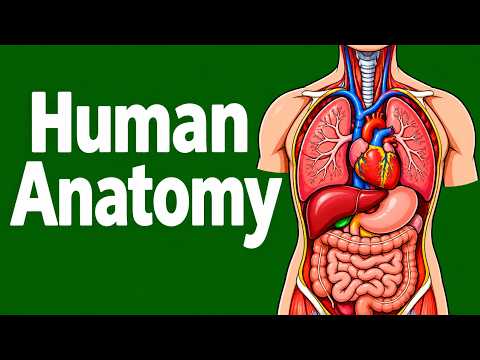
Organs deck
30 organs, one card at a time. Say the English word before you turn the card over. When you know them, turn the deck around and try English first. Press Practise for full screen.
Find the organs
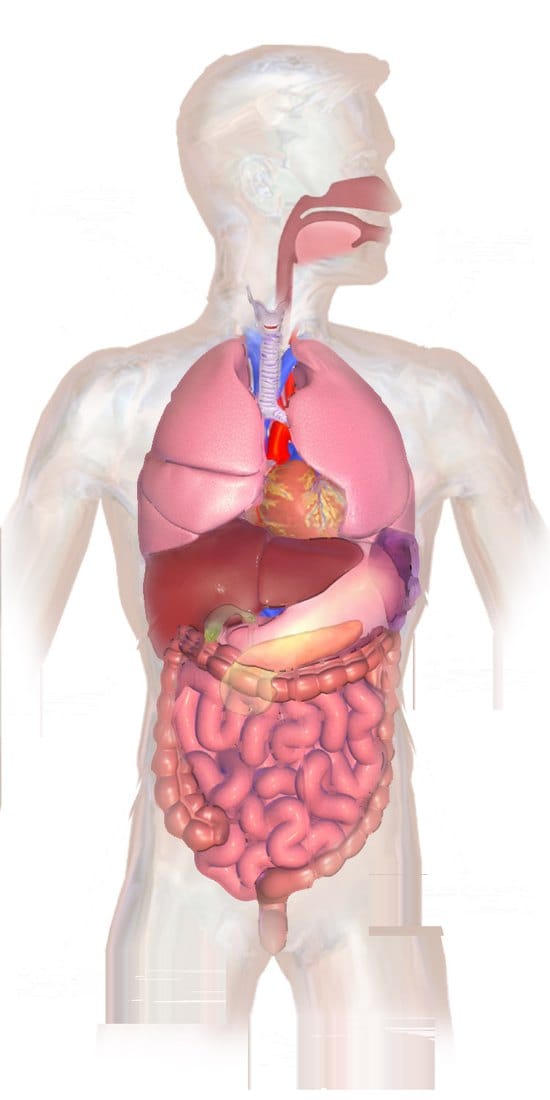
Now find them in the body. The page names an organ in Latin; tap the right dot.
Bones
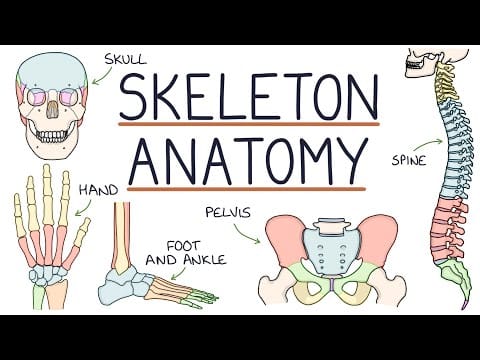
The skeleton in Latin. Many bone names are little pictures: a key, a dish, a flute.
The skeleton in Latin
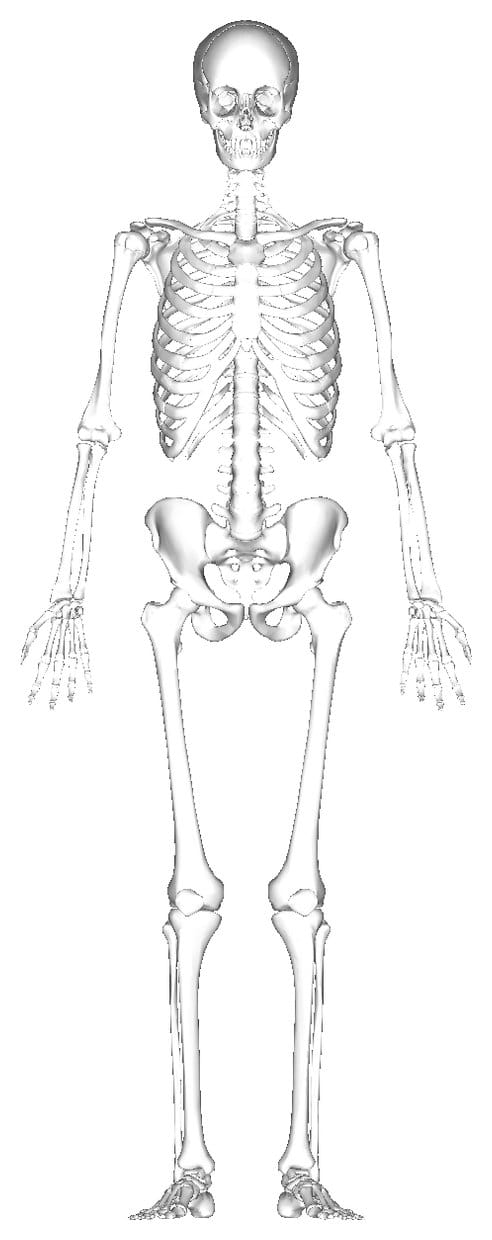
An adult has 206 bones. You only need about 30 to name the skeleton from head to toe.
Two words do most of the work: os means bone, and ossa means bones. So os frontale is "the bone of the front" (your forehead), and ossa carpi are "the wrist bones".
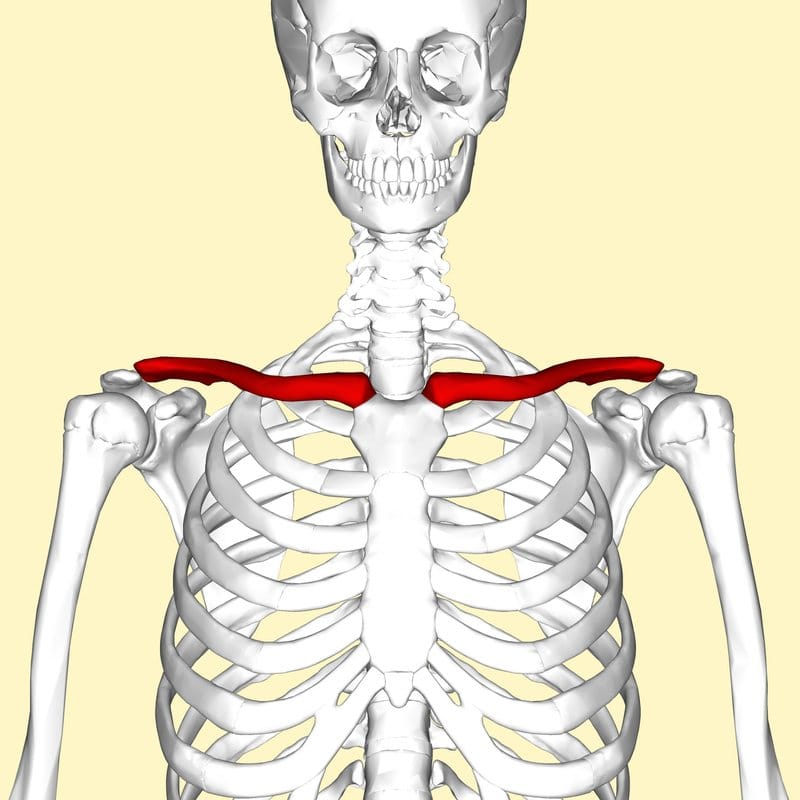
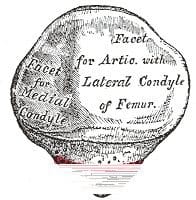
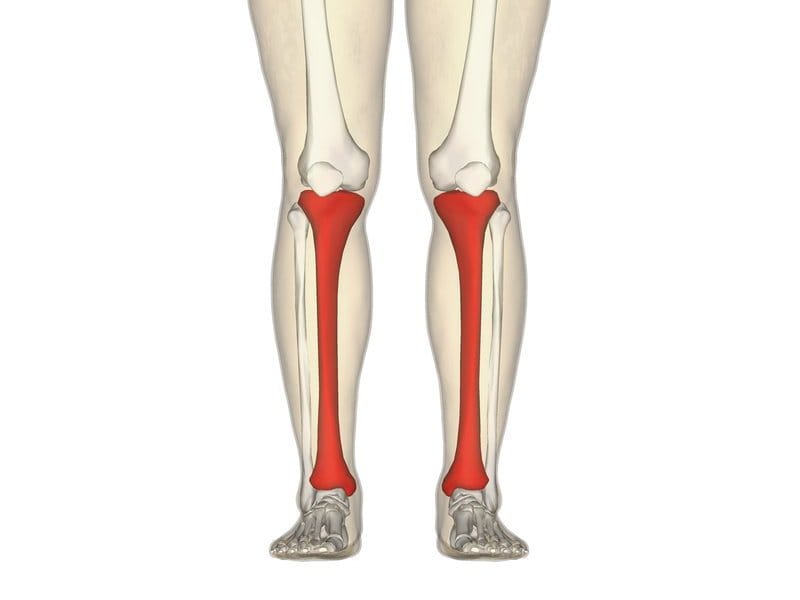
Many names describe what the old anatomists thought the bone looked like. Clavicula, the collarbone, means "little key". Patella, the kneecap, means "small dish". Tibia, the shinbone, means "flute", and fibula, the thin bone beside it, means "brooch pin". The tailbone, os coccygis, is named after a cuckoo's beak.
Some bones kept their Latin name in everyday English: tibia, fibula, radius, ulna, pelvis, sternum. You already know more Latin than you think.
Bones deck
30 bones, from the skull down to the foot.
Find the bones
The page names a bone in Latin; tap the right dot on the skeleton.
Muscles
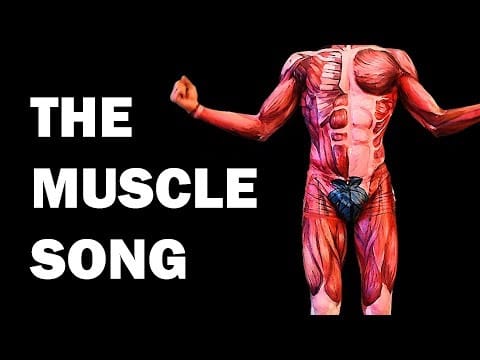
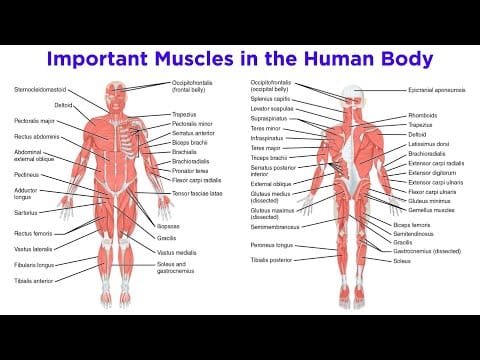
Muscle names decode themselves once you know a few describing words.
How muscle names decode themselves
Every muscle name starts with musculus (muscle), shortened to m. in books. Then come the describing words. Learn these and most muscle names translate themselves:
- major / minor bigger / smaller. maximus: biggest.
- longus / brevis long / short.
- anterior / posterior front / back.
- biceps / triceps / quadriceps two-, three-, four-headed (heads are the places where a muscle starts).
- brachii, femoris, dorsi, abdominis of the arm, of the thigh, of the back, of the belly.
- rectus · obliquus · orbicularis straight · slanting · in a little circle.
So musculus gluteus maximus is "the biggest buttock muscle", musculus latissimus dorsi is "the widest muscle of the back", and musculus rectus abdominis is "the straight muscle of the belly": the six-pack.
Some names are shapes: deltoideus is shaped like the Greek letter Δ, trapezius like a trapezoid, serratus is saw-toothed. And a few are stories: sartorius, the longest muscle, is the "tailor's muscle", because it helps you sit cross-legged the way tailors used to.
Muscles hold on to bones with a tendon: the Achilles tendon is in the muscles deck too.
Muscles deck
30 muscles (and the Achilles tendon), from the face down to the calf.
Find the muscles
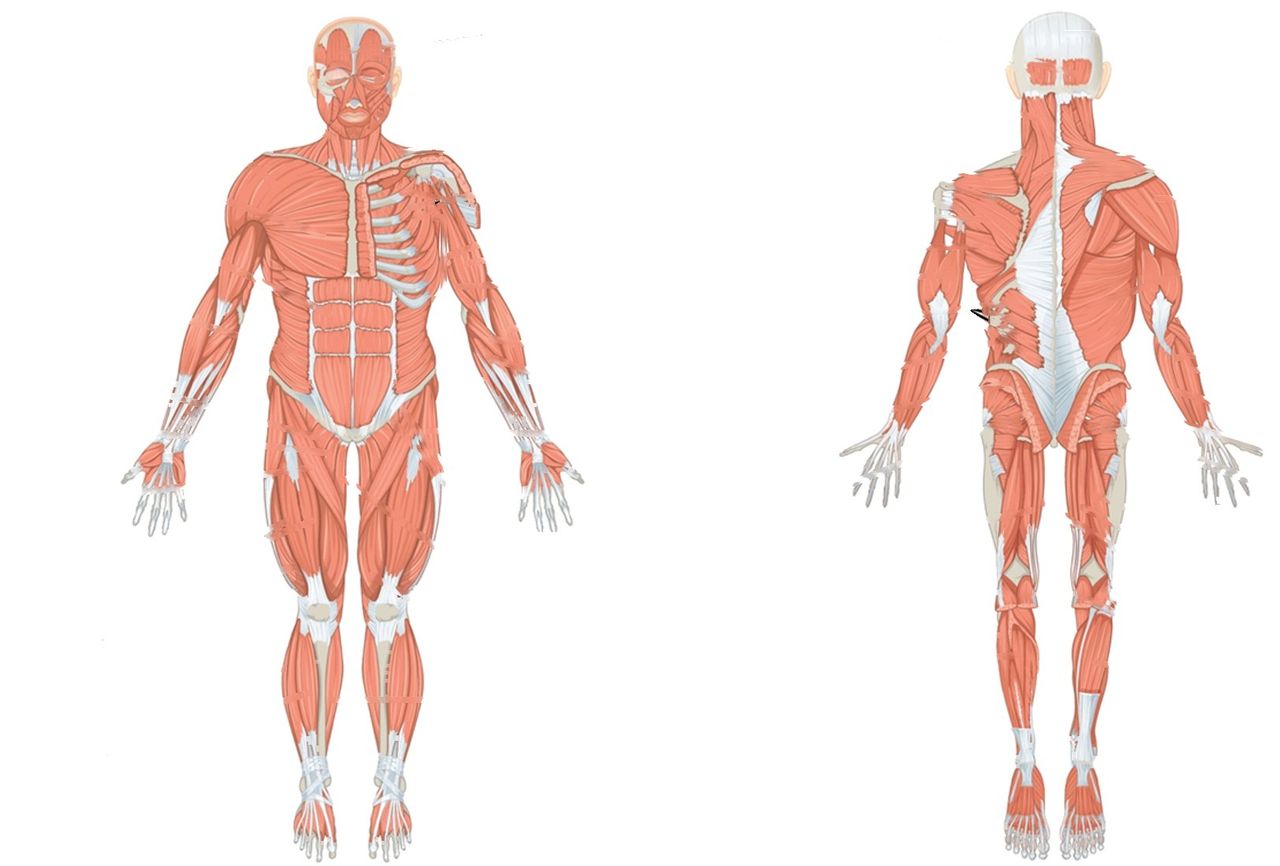
The page names a muscle in Latin; tap the right dot. Front view on the left, back view on the right.
Doctor words
Put it to use: decode the words you hear at the doctor's.
Latin for parts, Greek for problems
Doctors' words are built from pieces, like Lego. A body-part piece, then an ending that says what's going on:
- -itis inflamed (swollen, red, sore). Hepatitis: inflamed liver. Appendicitis: inflamed appendix.
- -logist a specialist. Cardiologist: heart doctor. Dermatologist: skin doctor.
- -scopy looking inside with a camera. Gastroscopy: looking into the stomach.
- -ectomy taking it out. Appendectomy: taking out the appendix.
The body-part piece is often the Greek word, not the Latin one you learned on the cards: kidney is ren in Latin, but the kidney doctor is a nephrologist (Greek nephros). Your cards show both, so now you can read both.
Sometimes a joining "o" sits between the pieces so the word is easier to say: cardi + o + logist = cardiologist.
This course teaches words, not medicine: if something worries you about your health, ask a doctor.
Doctor-word builder
Build each doctor word from its pieces. Each piece shows what it means.
Final quiz
Get all six right to finish the course.