How this course works
- Lessons unlock one at a time: finish one to open the next
- Every goal earns 100 XP for your level, shared by all courses, and finishing earns a badge
- Each invention comes with a "gamer translation" and the perk it unlocked
- Dotted words explain themselves: point at them, or open the glossary
The prototype builds
1945–1988. Before the Web, people had the idea of links and the roads to carry data, but not both at once.
Links, before computers could do them
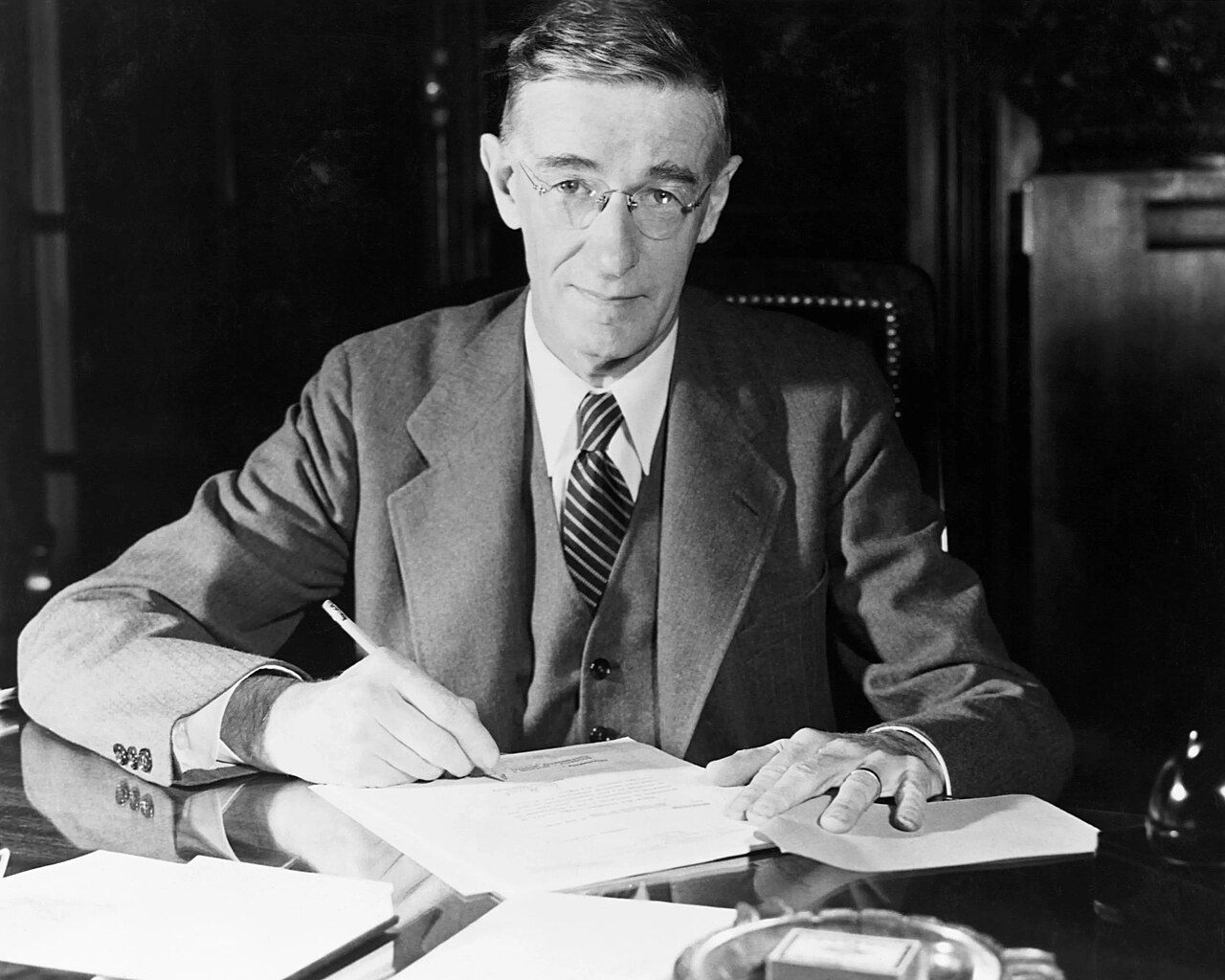
1945. Vannevar Bush describes the "memex", a desk machine that stores documents and links them into "trails" a reader can follow. Nobody can build it yet.
Concept art, decades before the engine exists. But the design doc shapes everything after.
1963–1967. Ted Nelson coins the word "hypertext": text you can click through. Brown University builds the Hypertext Editing System in 1967, one of the first.
The first playable prototype of "click a word, jump somewhere else". Single-player only: one machine, no network.
1968. Douglas Engelbart's "Mother of All Demos": a wooden mouse, clickable links, shared screens and live video between two sites, in one 90-minute show.
The legendary E3 reveal, 1968 edition.
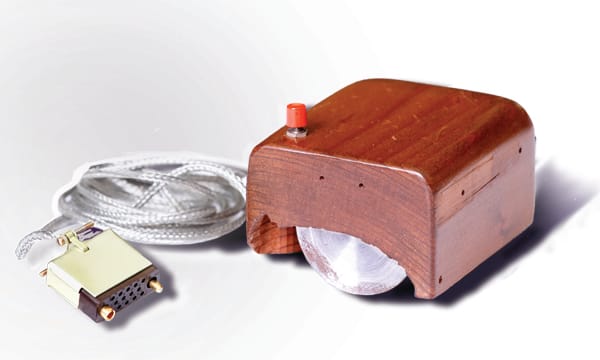
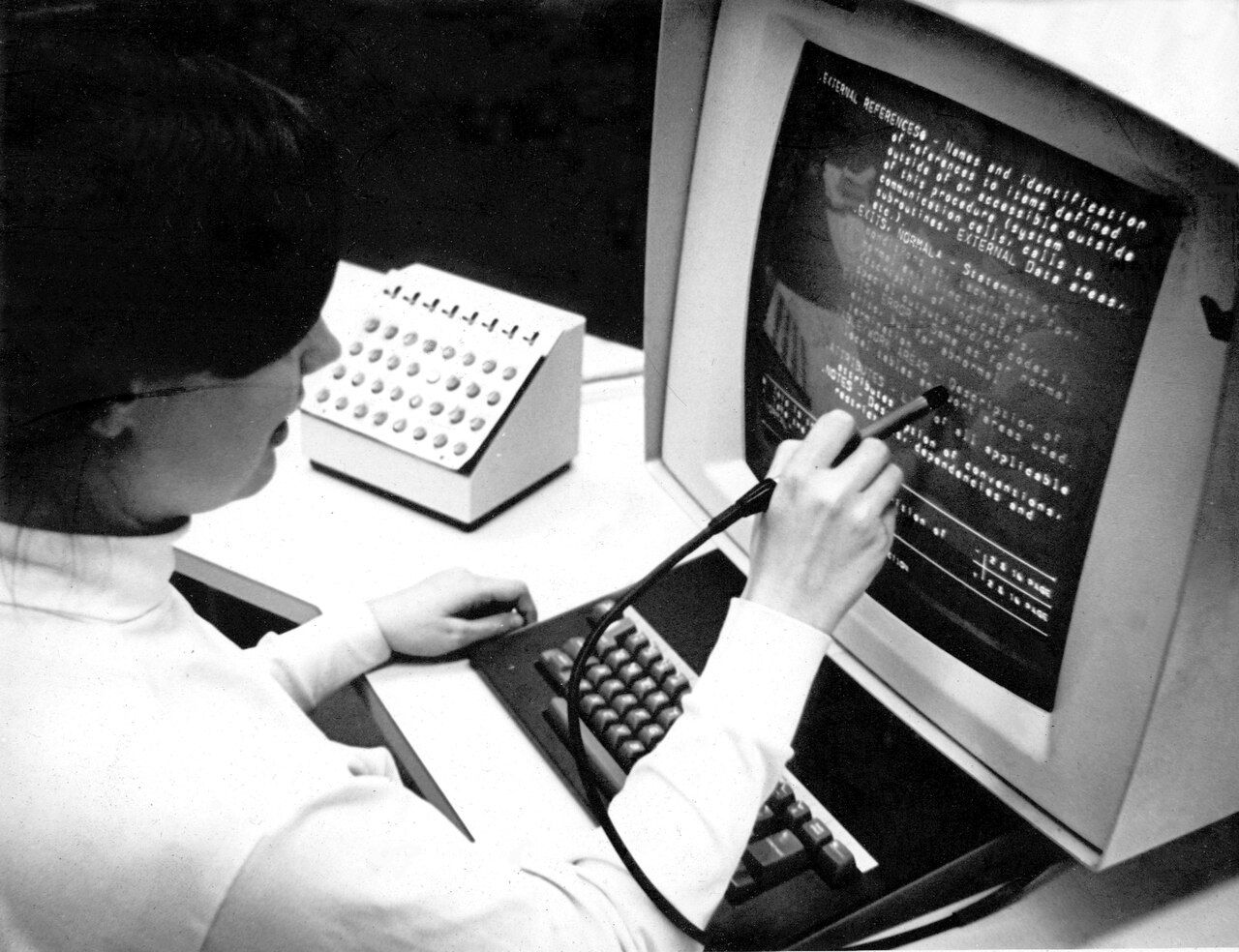
Every Wikipedia rabbit hole is a trail of links, exactly what Bush imagined. Point-and-click and video calls start here.
ARPANET, then TCP/IP
29 October 1969. A student at UCLA tries to log in to a computer at Stanford Research Institute over the new ARPANET. Only "LO" arrives before the receiving computer crashes: the first message on the network that became the internet.
Messages travel as packets: small pieces that each find their own way and are put back together at the end.
1 January 1983. ARPANET switches to TCP/IP, the rules the internet still uses today.
The first LAN party, coast to coast, and it crashed on the first login. TCP/IP is the netcode standard every later game and website plugs into.
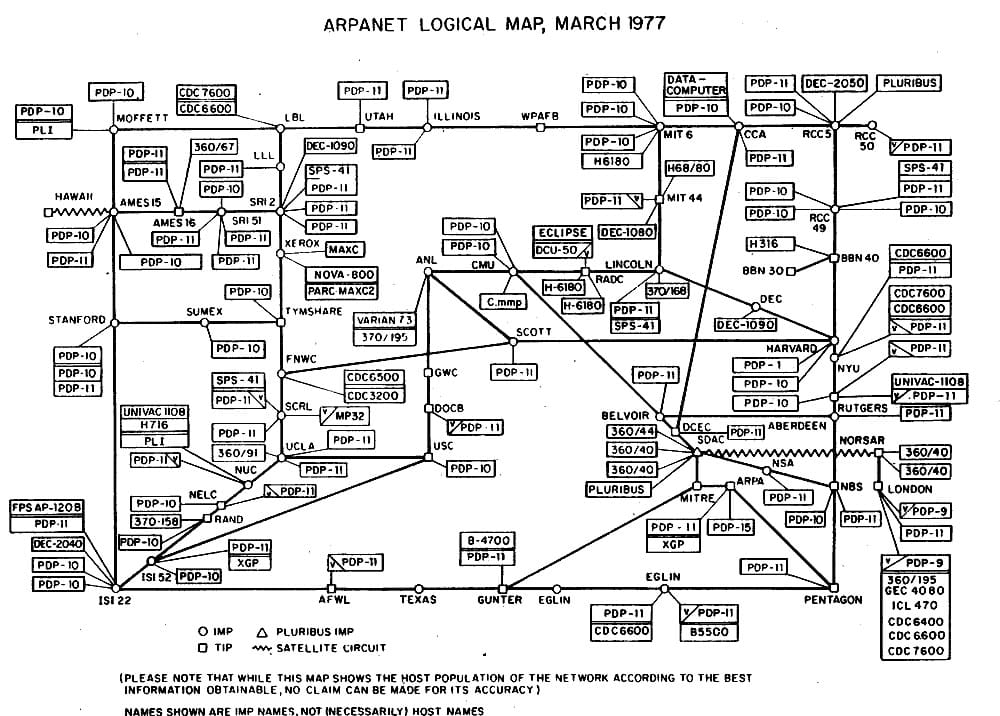
Email, then every kind of online play: all of it runs on TCP/IP.

DNS, names instead of numbers
1983. Paul Mockapetris designs the Domain Name System (DNS). It turns names like cern.ch into the number addresses (IP addresses) that computers actually use. Special servers answer the question "what's the number for this name?"
The server browser. You pick "EU West" by name, the game looks up the IP. With a cache, so it doesn't ask every time.
You type youtube.com instead of a string of numbers. Every web address is built on it.
World 1 quiz
Get all three right to clear World 1.
Launch day
1989–1993. One engineer at CERN joins links to the internet, ships the whole stack on one computer, and the Web goes free for everyone.
The pitch and the first website
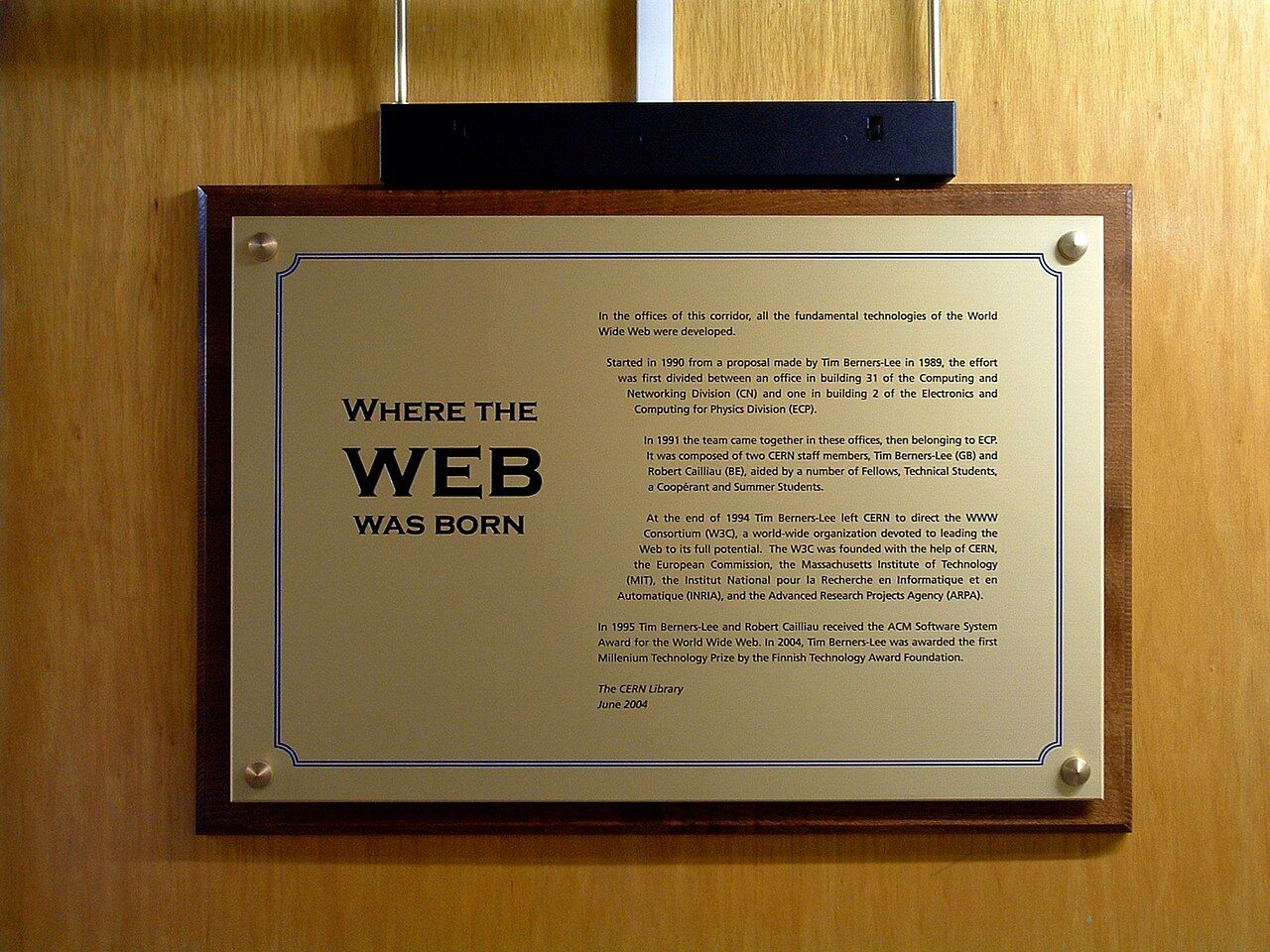
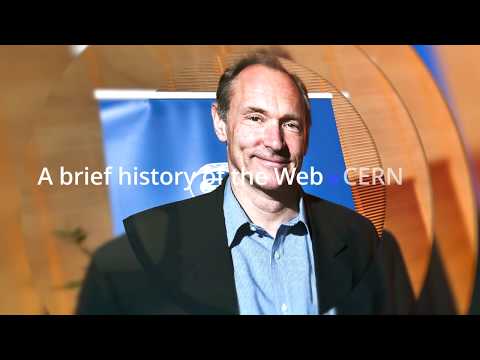
March 1989. Tim Berners-Lee, at CERN in Switzerland, proposes linking documents across CERN's many different computers: "Information Management: A Proposal". His boss, Mike Sendall, writes "Vague but exciting" on the cover and lets him build it.
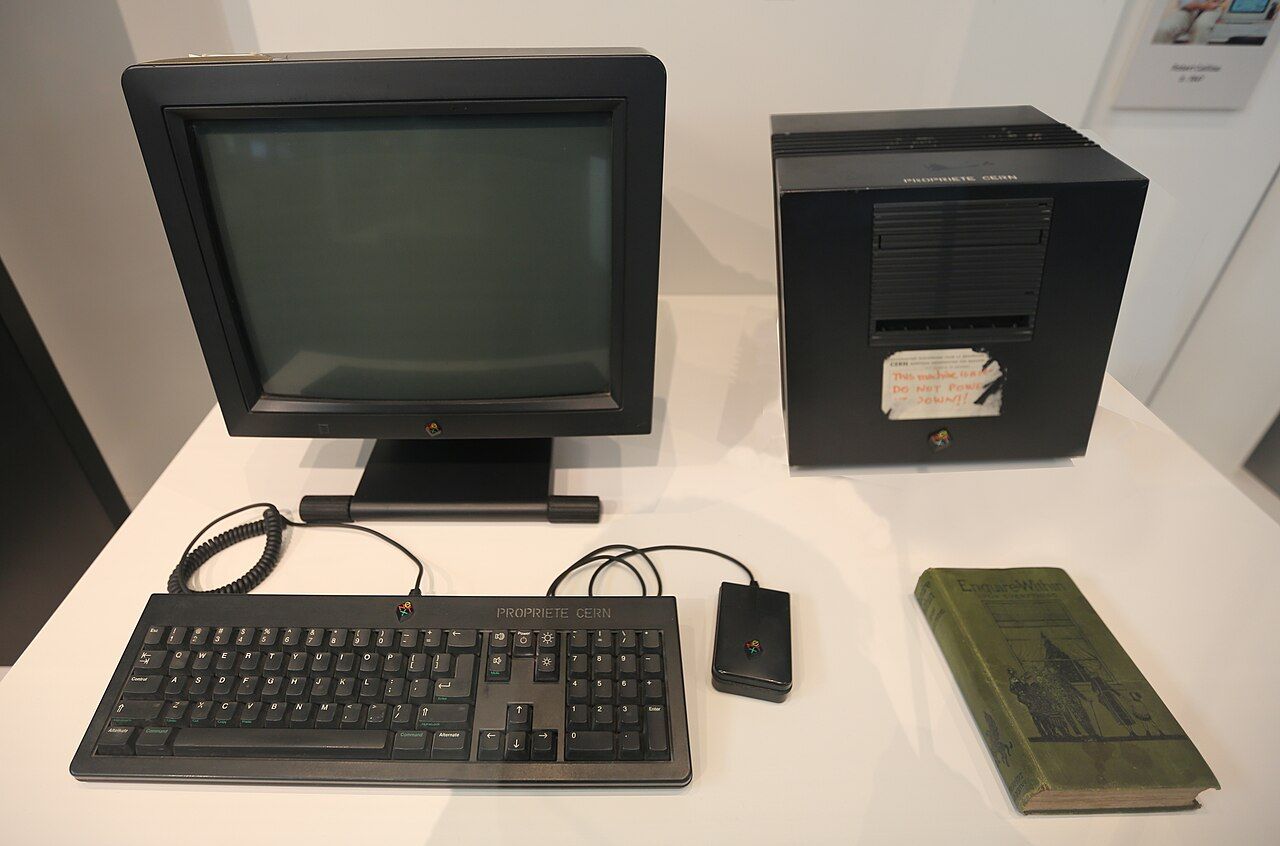
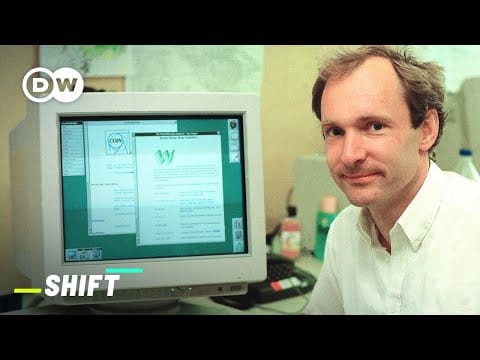
By the end of 1990, on one NeXTcube computer: the first web server, the first browser (which was also an editor) and the first website, info.cern.ch. It is still online. Three pieces make it work: the URL (the address), HTML (the page language) and HTTP (the way to fetch a page).
Fun fact: the server had a handwritten sticker: "This machine is a server. DO NOT POWER IT DOWN!!"
The pitch that got greenlit with the most famous one-line review in tech, then the full engine, server and client, shipped by one dev on one box. The tutorial level is still online.
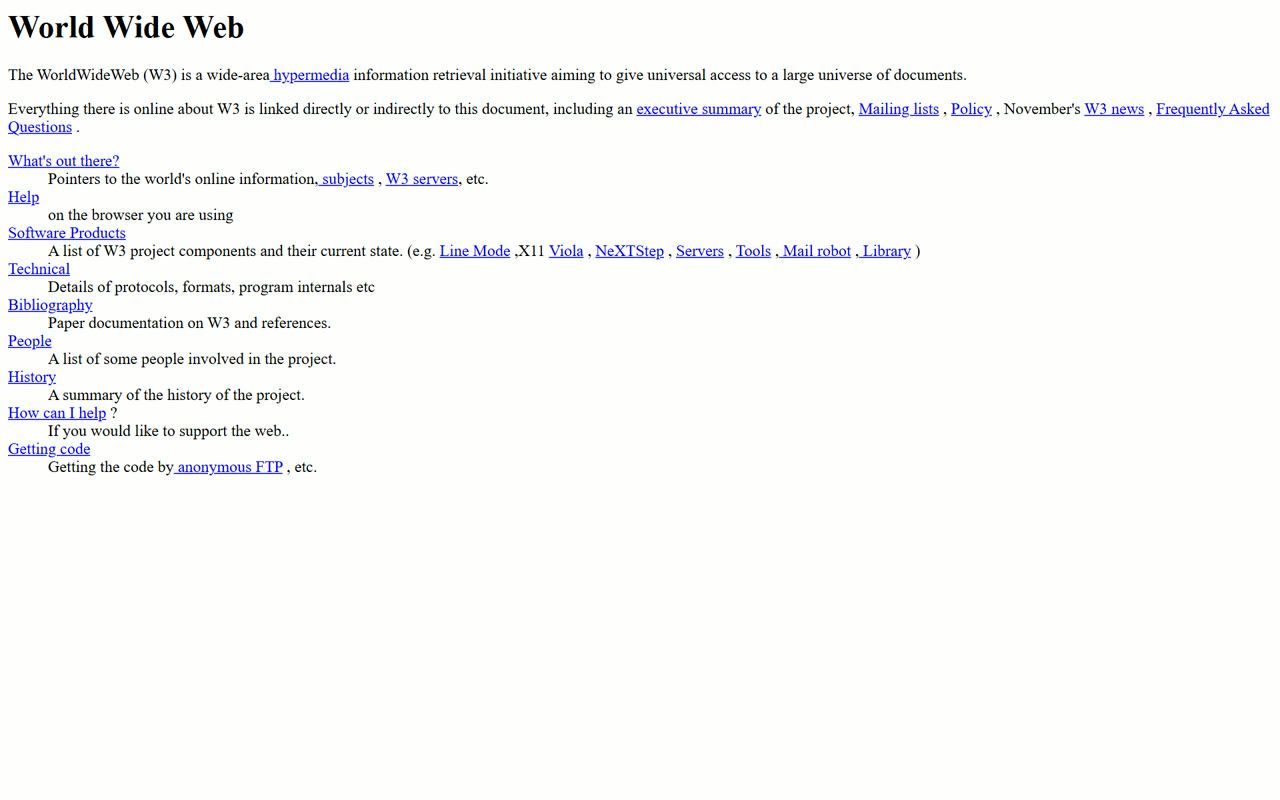
Every website you've ever opened uses an address, a page language, and a way to fetch it.
Compression: pictures, music and video
1991–1992. New standards shrink pictures, sound and video (compression): JPEG for photos (1992), and MPEG-1 for video, with its audio "Layer III", better known as MP3 (finished in 1991–1992).
Texture and audio compression for the Web. Without it, one photo over dial-up was a loading screen.
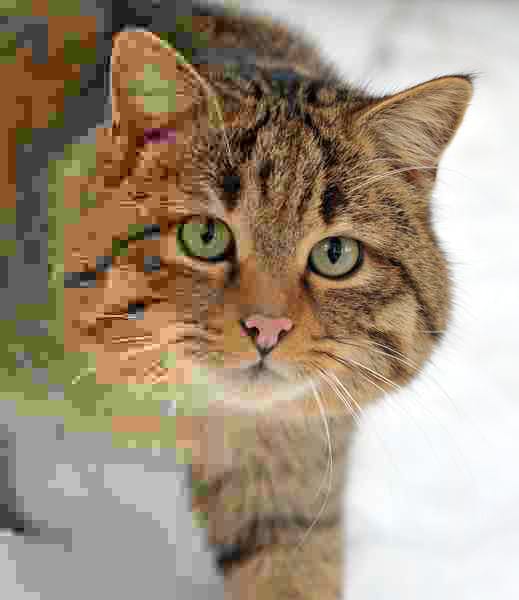
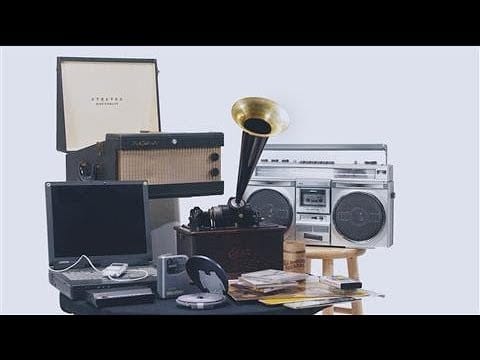
MP3 led to music downloads, then Spotify. JPEG is why photos load in a blink. MPEG's family tree leads to YouTube and Netflix.
Free for everyone, then Mosaic
30 April 1993. CERN puts the Web software into the public domain: no fees, no patents. Rival system Gopher had announced licence fees that February.
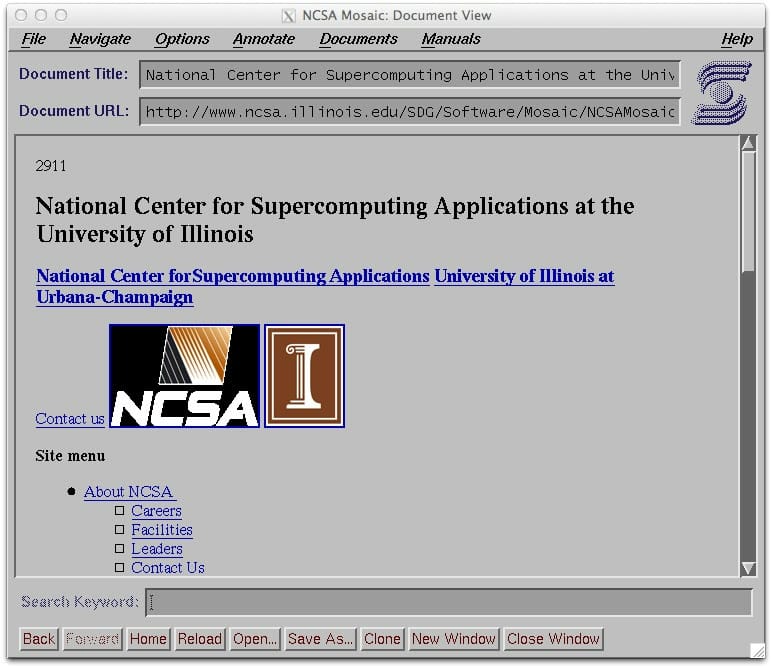
Later in 1993, NCSA Mosaic shows pictures next to the text, on ordinary Windows and Mac computers. By the end of 1993 there are more than 500 web servers.
Gopher added a paid battle pass to the base game; the Web went free-to-play. Then Mosaic was the graphics patch: from text adventure to a visual game, and the player count exploded.
Anyone can build a website or a browser without asking permission. Product photos, news pictures and memes start here.
Put launch day in order
Click the events from oldest to newest. Get the whole timeline right to clear World 2.
Start with the oldest one.
The browser wars
1994–2004. Two studios fight for the console market: Netscape and Microsoft. In the crossfire we get encryption, scripting, online shops and search.
Netscape: the padlock, cookies and JavaScript
1994–1995. Netscape's browser adds cookies (October 1994) so a site can remember you, and SSL encryption (1995) so nobody on the route can read what you send. In 1995 it adds JavaScript: pages can run code and react to you.
SSL is anti-cheat for your credit card. Cookies are your save file on each site. JavaScript is scripting support: pages stop being static levels and get game logic.
The padlock in your address bar, staying logged in, forms that check themselves, and every browser game.
Amazon, eBay, then Google
1995: Amazon and eBay open. 1998: Google arrives, and search replaces hand-made web directories.
The in-game shop and the minimap arrive. The Web gets an economy and a way to find anything.
Buying anything from home, and typing a question to find an answer.
Ajax: pages that update without reloading
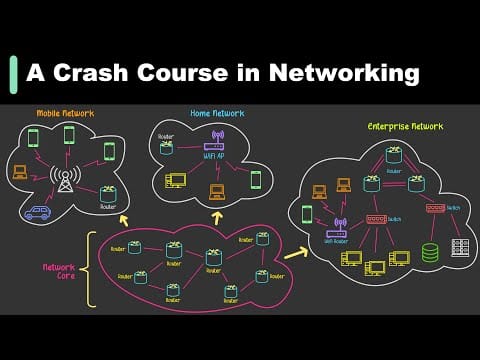
1999: Internet Explorer 5 lets a page fetch new data in the background. Webmail like Oddpost (2002) and Gmail (2004) use it, and in 2005 the approach gets a name: Ajax.
Streaming the level instead of a loading screen between every room.
Gmail, maps you can drag, chats and feeds that update live.
What did it unlock?
Match each invention to what it lets you do today. Get all six right to clear World 3.
Pick one perk for each invention.
The Web becomes the platform
2005–today. Everyone publishes, everything streams, and the browser runs apps and games. Then it all moves into your pocket.
YouTube and Web 2.0
2005: YouTube makes uploading video easy, and streaming it to anyone. Blogs and social media let anyone publish without coding.
User-generated content unlocked. Every player is now also a level designer.
Let's Plays, tutorials, and streaming your own gameplay.
The Web in your pocket
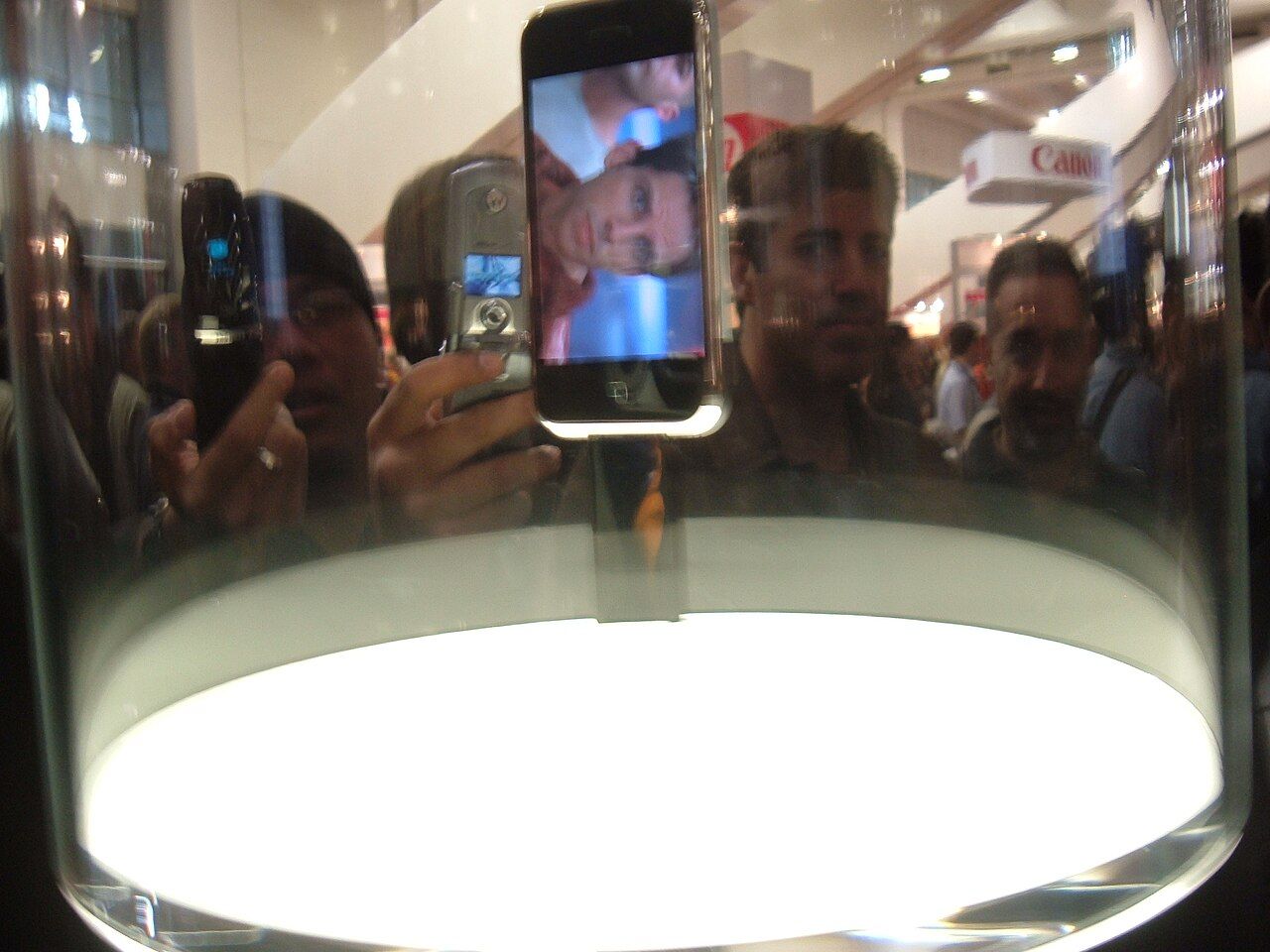
2007: the first iPhone, with a full web browser. 2008: Google Chrome and its fast V8 JavaScript engine; in 2009 Node.js runs the same engine on servers.
From late 2010 more smartphones ship than PCs, and in October 2016 phones and tablets overtake computers for web use worldwide.
The handheld port that outsold the PC version, and a new engine with a huge frame-rate boost: whole apps and games now run in a browser tab.
Maps, messages and banking anywhere; Google Docs and the web versions of Discord and Spotify.
The modern stack: live, locked, fast
2011: WebSockets keep one connection open, so server and browser can push messages at any time.
A persistent game socket instead of polling the server every second.
2010s: HTTPS everywhere. Free certificates from Let's Encrypt (2015–2016) help, and by 2017 more than half of web pages load encrypted.
Anti-cheat on every server, not just the ranked ones.
2022: HTTP/3 runs on QUIC, which is built on UDP: faster setup, and one lost packet no longer stalls everything.
The Web finally does what game netcode always did. Thirty years later, the browser adopts the shooter's protocol.
Live chat and multiplayer browser games, safer café Wi-Fi, smoother video on a shaky train connection.

World 4 quiz
Get all three right to clear World 4.
Final level
Bonus. Why your ping can never be zero, the whole tech tree on one page, and the final quiz.
Bonus level: why your ping can't go to zero
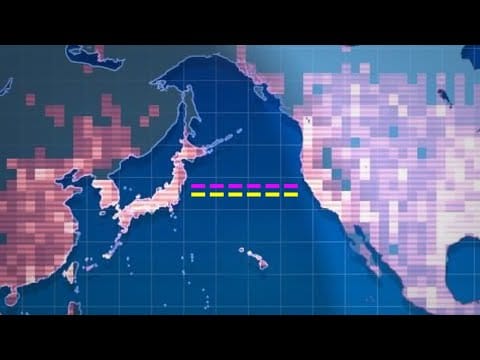
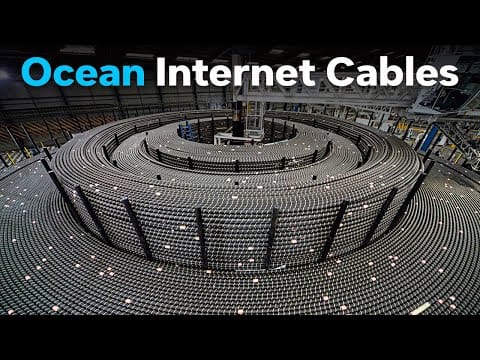
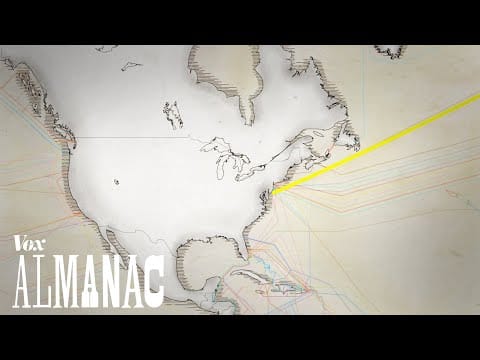
All of the above rides on glass. Light in fibre travels about 200,000 km per second, two-thirds of its speed in a vacuum. So distance sets a hard floor on your round trip (your ping, or latency), before a single router adds its delay. Almost all traffic between continents goes through undersea cables.
Real cables don't run straight and routers add time, so a real Sydney–London ping is usually around 250 ms. Physics can't be patched.
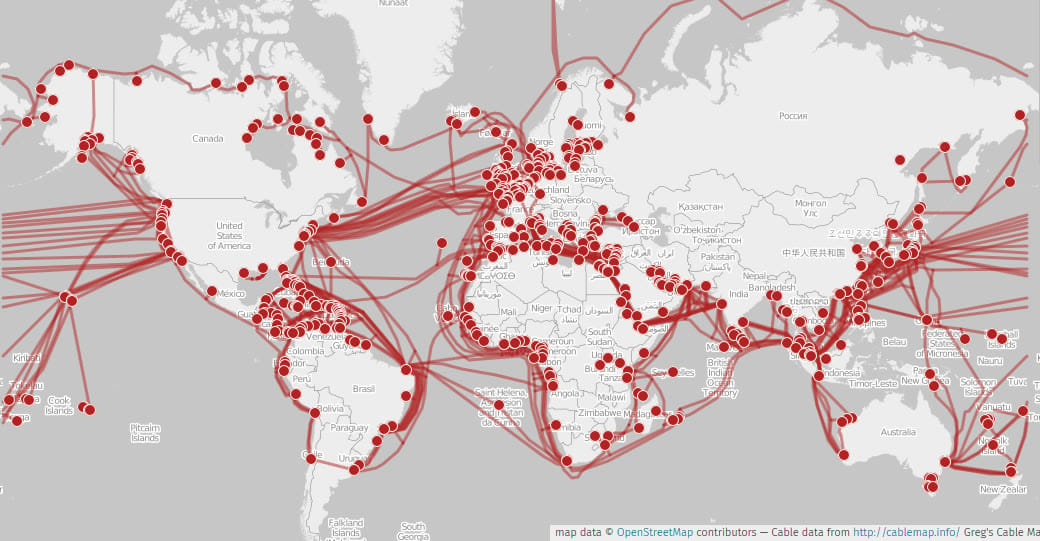
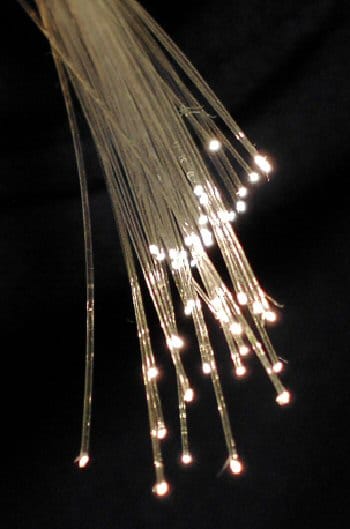
This is why games run regional servers, why video calls to Europe feel laggy from Australia, and why Netflix keeps copies of shows in local data centres.
The tech tree
Every invention in this course, and the perks it unlocked. Press a perk to light up the inventions behind it. Each name links back to its lesson.
Pick a perk to see what makes it possible.
| Invention | Videos | Music | Shop | Talk | Play | Search | |
|---|---|---|---|---|---|---|---|
| Memex | ● | ||||||
| Hypertext | ● | ||||||
| Mouse and the demo | ● | ||||||
| ARPANET and TCP/IP | ● | ● | |||||
| DNS | ● | ||||||
| The proposal | ● | ||||||
| URL + HTML + HTTP | ● | ● | ● | ||||
| Compression | ● | ● | |||||
| Free for everyone | ● | ● | ● | ||||
| Mosaic | ● | ● | |||||
| SSL and cookies | ● | ||||||
| JavaScript | ● | ||||||
| Amazon, eBay, Google | ● | ● | |||||
| Ajax | ● | ● | |||||
| YouTube and Web 2.0 | ● | ● | |||||
| iPhone | ● | ● | ● | ● | |||
| Chrome and V8 | ● | ● | ● | ||||
| WebSockets | ● | ● | |||||
| HTTPS everywhere | ● | ● | |||||
| HTTP/3 | ● | ● |
Final quiz
One goal for each right answer. Clear all four to finish the course.